
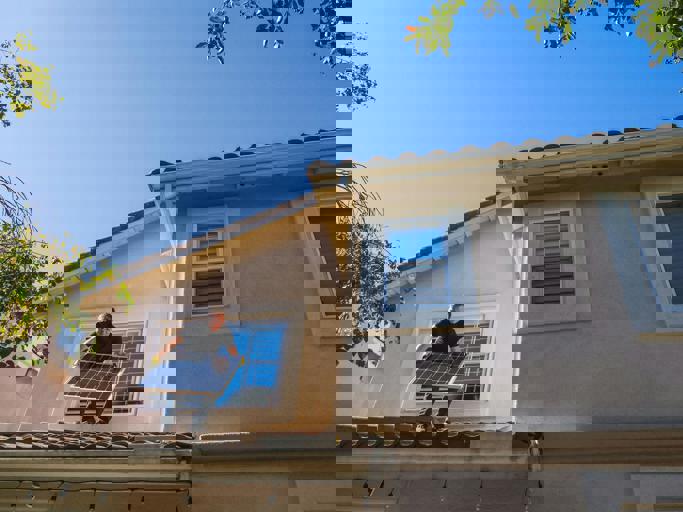
A growing number of suburban homeowners are choosing to equip their rooftops with solar panels, sparking a notable transformation in neighbourhood landscapes across the region. Driven by a mix of environmental consciousness and the desire to reduce long-term expenses, this shift towards renewable energy is gaining significant traction. What was once a rare sight now dots dozens of residential streets, marking a visible change in the way families power their homes.
The adoption of rooftop solar panels is not merely a trend but a response to broader concerns about rising energy costs and climate change. According to recent data from the Solar Trade Association, installations in the UK saw a 20 percent year-on-year increase in 2023. Many homeowners cite the combination of government incentives and heightened awareness of environmental issues as the primary motivating factors behind their decisions.
For many residents, the initial investment in solar technology is justified by the potential for considerable cost savings over time. Sarah Bramley, a suburban homeowner who installed panels last year, shared, “Our energy bills have dropped dramatically. What’s more, we’re proud of the smaller carbon footprint we’re leaving for our children.” Studies indicate households can slash their utility bills by up to 60 percent after making the switch.
Beyond individual savings, the surge in rooftop solar panels is creating ripple effects through communities. Local councils are reporting increased interest in group purchase schemes, which help lower costs for participants by negotiating deals with accredited installers. Community-led initiatives, such as Solar Together, have popped up to provide support and guidance, fostering a collaborative approach to embracing renewable energy.
Recent improvements in solar technology have made panels more efficient and affordable, further driving adoption. Modern photovoltaic cells can generate electricity even in overcast weather, making them a practical option in regions well known for their cloudy skies. Manufacturers have also begun offering sleeker designs, allowing homeowners to integrate panels with less impact on their home’s appearance and increased aesthetic flexibility.
The financial benefits are not limited to energy savings alone. Under the Smart Export Guarantee, residents can now earn money by selling surplus power back to the grid. This has created an additional revenue stream for some families, and has incentivised others to invest in battery storage systems, maximising the value of every kilowatt generated on sunny days for use during the evening or in less favourable weather.
Adoption of rooftop solar panels also has implications for local economies. The increased demand for installers and maintenance specialists has led to the creation of new jobs in suburban areas. Training programmes, often sponsored by local authorities in partnership with technical colleges, are equipping workers with the necessary skills to support this rapidly expanding sector and strengthen the regional job market.
Environmental advocates have hailed the trend as a crucial step towards broader carbon reduction goals. By generating clean, renewable electricity at home, residents are collectively reducing demand on the national grid and decreasing reliance on fossil fuels. “Every panel installed moves us closer to meeting our climate obligations,” remarked Dr. James Patel, an energy policy researcher at a leading university.
Despite the enthusiasm, there are still challenges and considerations facing the widespread rollout of rooftop solar in suburbs. Not all homes are structurally suitable for installation, and up-front costs can remain a barrier for lower-income households who might not have access to financing options. The solar industry, together with policymakers, continues to explore ways of broadening access and levelling the playing field for all residents.
Looking ahead, experts predict that the trend of suburban solar adoption will only accelerate as technology becomes even more accessible and energy prices fluctuate. With a growing sense of shared purpose among neighbours and the tangible benefits of cleaner, cheaper power, rooftop solar panels appear poised to play a central role in shaping the energy future of Britain’s residential communities. The neighbourhood skyline is shining a little brighter, one panel at a time.